
The Wall Street Journal published a major story this week on the World Economic Forum’s founder, titled “The Unraveling of the King of Davos.” It represents the Journal’s latest reporting on arguably the world’s premier business conference.
I don’t have anything to add to the topic raised by the WSJ journalists, one way or the other. However, the story got me thinking about the subtle power that conference organizers have in framing the conversations that take place at their events. Conversations that can carry enormous influence.
Anyone who’s ever been interviewed by a journalist knows the power the reporter asking the questions has on the overall result. When you ask the questions, you get to frame the conversation. It’s that simple.
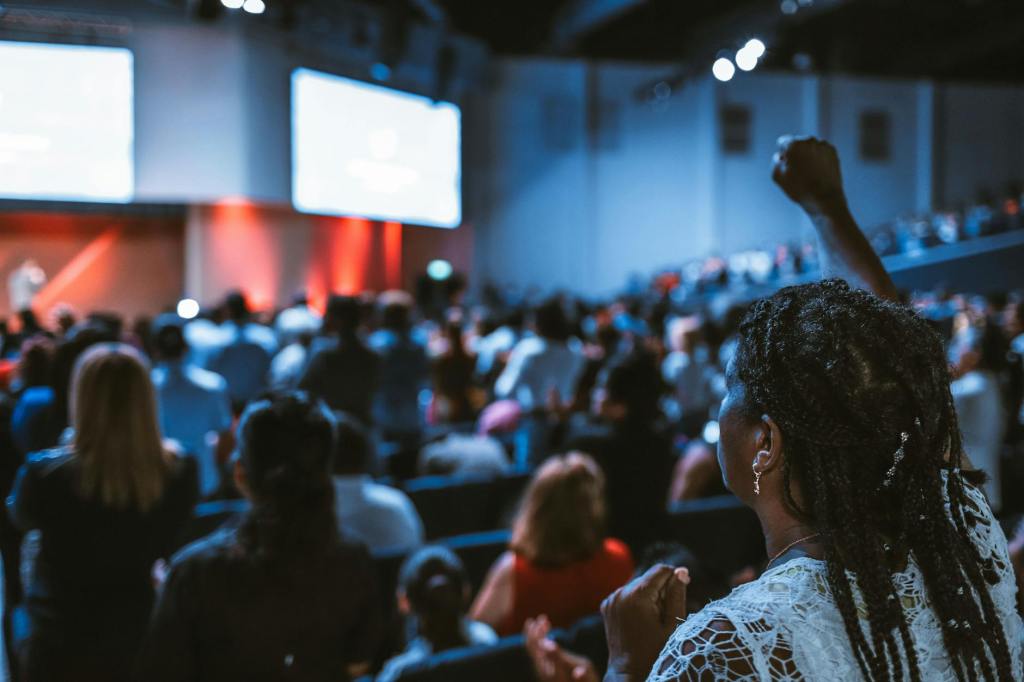
This framing takes place at conferences as well. It just happens largely behind the scenes, months before the events themselves begin. Let’s look at how.
- Some conferences begin with an overarching theme, guiding all discussions at the event on a macro level. Imagine, for example, two fictional conference themes relevant to today: “The Power of AI to Improve Our Lives” vs. “The Dangers of AI in Modern Society.” Two very different sets of conversations would ensue.
- Many conferences select the individual panel and keynote topics, then go out to pitch potential speakers. Those who take these slots, which in many cases represent coveted opportunities to reach important audiences, are free to say what they wish. But they need to do so within the framework of their topics.
- Conveners of these events typically pick their speakers and moderators, giving them enormous sway over the conversations that follow. Organizers usually look to create provocative, engaging discussions involving headline names. It’s easy to gauge how these discussions will go by who will be speaking.
Am I saying that conference organizers are proactively seeking to influence public opinion by the way they assemble their events? No, I’m not. Most, I believe, are earnestly working to contribute to the marketplace of ideas in their respective fields.
I am, however, suggesting that the beliefs and biases of these conveners can – sometimes inadvertently – find their way into events by virtue of their power to set the agenda. This is a fact that every executive who speaks publicly, and those who advise them, should consider when deciding which invitations to accept and which events to pursue.
There are techniques speakers can use to get their messaging across regardless of the questions asked, but it is impossible to entirely escape being framed by the events’ overall themes and speaking topics.

Leave a comment